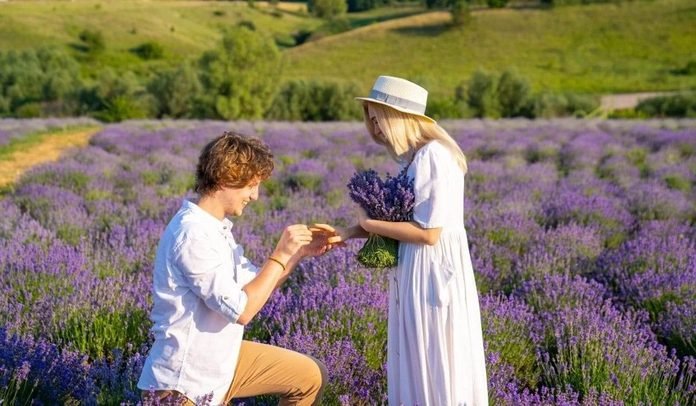
Coordinated engagement photo outfits do not have to use the same shirt, the same color, or even the same kind of clothing. They simply need to look as though the two people are going to the same place on the same day. When the formality, season, and color mood agree, each partner can still look completely like themselves.
The easiest place to begin is with one anchor piece. It might be a green dress, a brown suede jacket, a navy suit, or favorite boots. Build the second outfit around the mood of that piece, not by trying to copy its exact color. One person can carry the main color while the other uses a neutral or a smaller echo.
These 37 pairings are formulas, not uniforms. Change the silhouettes for your bodies, gender expression, culture, comfort, and location.
A strong photo outfit should make you feel more like yourself, not like two models hired for someone else’s mood board.
The Three Things That Should Agree
| What to coordinate | What that means | What you do not need to do |
|---|---|---|
| Formality | Both outfits should feel equally casual, dressed up, or intentionally mixed | Wear the same garment type |
| Color mood | Choose colors that can sit together without fighting | Find two garments in an almost-matching shade |
| Location | The clothes should make sense for the ground, weather, and visual setting | Dress as part of the background |
1. Cream Midi Dress + Blue Button-Up and Tan Chinos
This soft combination works for gardens, fields, and light city settings.
Cream carries the warm neutral while blue gives the second person definition. Tan shoes or a belt can connect the looks without creating a set.
Choose a blue that stands apart from the sky if much of it will appear behind you.
2. Rust Dress + Chambray Shirt and Dark Denim
Rust and faded blue feel relaxed and warm, especially in fall or near golden grasses. Keep the denim darker than the shirt so the outfit does not become one blue block. Brown boots can tie the pair together, but they do not need to be the same brown.
3. Sage Jumpsuit + White Shirt and Stone Trousers
Sage becomes the gentle focal color while white and stone keep the second look quiet. This suits a greenhouse, botanical garden, or modern light-filled studio. Check that the green does not disappear into heavy foliage; a slightly grayer or lighter sage may separate better.
4. Navy Dress + Gray Suit With an Open Collar
Navy and gray are polished without feeling like formal event uniforms.
An open collar relaxes the suit, while a midi or simple long dress keeps the same level of effort. Add a small silver, burgundy, or soft blue detail if the pairing needs a little life.
5. Floral Dress + Solid Shirt Pulled From the Print
Choose one less-obvious color from the floral pattern for the solid shirt—perhaps dusty blue, moss, or muted rose.
Do not hunt for an exact match; a related shade feels more natural. Keep pants and shoes neutral so the print remains the only busy element.
6. Black Slip Dress + Charcoal Shirt and Black Trousers
A near-monochrome look can feel modern in a city, gallery, or evening studio. Different textures keep it from flattening: satin beside matte wool, cotton, or knit. Charcoal gives a little separation from solid black and prevents the pair from looking like matching event staff.
7. White Linen Dress + Olive Shirt and Khaki Pants
This is easy for a beach, coastal town, or warm garden. Olive adds earthiness without copying the white. Keep the linen pressed but not unnaturally perfect; a little movement is part of its charm. Choose underlayers carefully because strong sun can make white fabric more transparent.
8. Cobalt Dress + White Knit Polo and Navy Trousers
Let one partner wear the memorable color and let the other support it. Cobalt looks crisp beside white and navy, particularly in a clean city or waterside setting. Avoid adding several other bright accessories. One strong blue is enough to make the photos feel alive.
9. Burgundy Sweater Dress + Camel Sweater and Dark Pants
Burgundy and camel create a rich cold-weather palette without becoming holiday-themed. Use dark denim or charcoal trousers to ground the second look. Boots, wool coats, and simple gold jewelry fit naturally. Make sure both knits have a similar level of polish.
10. Soft Pink Dress + Brown Jacket and Cream Shirt
Brown makes blush or soft pink feel grounded rather than overly sweet. A suede or wool jacket adds texture, while a cream shirt keeps the face area light. This is especially lovely in a fall field, warm studio, or historic neighborhood with brick and stone.
11. Green Skirt and White Top + Navy Shirt and Jeans
Separates can feel less formal and more personal than two complete dressy looks. Green and navy are close enough in depth to belong together but clearly different. Choose clean, simple jeans and keep logos away from the camera. Brown shoes can bridge both colors.
12. Terracotta Suit + Cream Knit Dress
A colored suit deserves room to lead. A cream knit dress gives it that room while adding soft texture. This pairing works in a minimal studio, desert landscape, or modern architecture. If terracotta blends into the location, shift toward rust or cinnamon for contrast.
13. Denim Dress + White Tee and Olive Overshirt
For a casual session, this feels easy without looking accidental. The olive overshirt breaks up the denim so you do not appear to be wearing a denim theme. Clean sneakers, boots, or casual leather shoes keep both outfits on the same level.
14. Plum Dress + Pale Blue Shirt and Gray Pants
Plum and pale blue are a less expected but calm combination. Gray trousers give the blue enough weight to sit beside the deeper dress. This works well in a garden, elegant street, or indoor location with neutral walls. Keep accessories cool or neutral rather than adding warm orange tones.
15. Camel Coat and Black Dress + Gray Coat and Dark Denim
When coats will appear in most photos, coordinate the outerwear first. Camel and gray are different but equally classic, and black with dark denim keeps the base quiet. Vary the scarf colors or skip scarves so the neck area does not become bulky.
16. Red Midi Dress + Navy Sweater and Gray Trousers
A red dress can be the entire color story. Navy and gray give it a steady background without looking dull. Choose a red that suits the location and your skin, from tomato to wine. Avoid a matching red pocket square unless you truly love the deliberate look.
17. Mustard Blouse and Cream Pants + Denim Shirt and Brown Chinos
Mustard, denim blue, cream, and brown feel warm and friendly for late summer or fall. Because four colors are present, keep every piece solid. This pairing suits a casual couple who wants color without wearing formal clothes. Make sure the denim shirt is distinct from the trousers.
18. Lavender Dress + Light Gray Shirt and Charcoal Pants
Gray lets lavender stay soft while preventing the pairing from looking overly pastel. A charcoal lower half gives photographs structure. This palette works in spring, an urban setting, or a studio. In a lavender field, choose a deeper purple or another color so the dress does not vanish.
19. Printed Skirt and Black Top + Black Shirt and Tan Pants
The black tops create a quiet connection, while different bottoms prevent exact matching. Pull tan from the skirt if it appears there, or use it as a neutral. Since the shared color sits near both faces, check that black flatters both people in the session light.
20. Chocolate Dress + Powder Blue Shirt and Cream Trousers
Chocolate brown and powder blue feel fresh and refined. Cream trousers keep the second outfit from getting too cool. The pairing is especially strong against stone, pale architecture, or soft greenery. Add simple brown or tan shoes rather than introducing black at the last minute.
21. Emerald Dress + Black Turtleneck and Gray Trousers
This winter or city combination gives emerald the spotlight. A black turtleneck looks clean in close portraits, while gray separates the lower half from the top. Choose simple metal jewelry and a polished boot or dress shoe. Avoid a bright green tie that turns coordination into a costume.
22. White Blouse and Wide-Leg Jeans + Tan Jacket and Dark Jeans
Two denim looks can coordinate when the washes and silhouettes are different. White brightens one outfit, while tan adds warmth to the other. This is a natural choice for coffee-shop, neighborhood, or at-home photos. Keep denim free of large rips if you want the images to age quietly.
23. Gold Satin Skirt + Black Knit and Black Suit
A gold or bronze skirt brings movement and light, while black gives the pair a modern evening base. The second person can relax the suit with an open shirt or fine knit. This looks beautiful under city lights, but test shiny fabric with flash so it does not create harsh highlights.
24. Blue Floral Dress + Cream Sweater and Navy Pants
The second outfit repeats the dress’s general family without copying its pattern. Cream near the face feels soft, and navy below gives balance. This is useful for a beach, garden, or spring field. Keep the floral print at a medium or large scale so it reads cleanly from a distance.
25. Olive Dress + Black Shirt and Dark Denim
Olive and black feel more modern than olive and tan, especially in a city or industrial location. Dark denim keeps the second look casual enough to match a simple dress. Add black boots or clean sneakers, and avoid too many military-style details unless that is genuinely your style.
26. Cream Sweater and Plaid Skirt + Forest Sweater and Brown Pants
Pull forest green or brown from the plaid and use it as the second outfit’s solid color. The pair feels connected, but only one person wears a pattern. This works for a cozy fall walk, cabin, or holiday-season session without requiring obvious red-and-green clothing.
27. Pale Blue Suit + Ivory Dress
This pairing feels airy and special for spring, seaside architecture, or a formal daytime session. The suit brings color while the dress stays simple. Choose off-white rather than bright white if the location has warm stone. Keep shoes and jewelry understated so the palette remains the main idea.
28. Copper Dress + Deep Teal Shirt and Dark Pants
Copper and teal are complementary without looking like a sports team when both are deep and muted. Use dark trousers to settle the combination. It is striking in fall foliage, against city brick, or in a neutral studio. Skip additional saturated colors in coats and accessories.
29. Striped Shirt and Solid Skirt + Solid Overshirt and Chinos
Use a wide, simple stripe rather than a tiny high-contrast pattern that may shimmer on camera. Pull one stripe color into the second outfit’s overshirt. Keep the skirt and chinos neutral. The result feels casual and coordinated without looking like a planned family portrait.
30. Maroon Blazer and Black Pants + Champagne Dress
A maroon blazer adds warmth beside a champagne or warm-beige dress. Black pants give the blazer a clean base, but brown shoes may blend more gently with the dress. This is a good restaurant, theater, or evening-city pairing with a little celebration built in.
31. White Shirt Dress + Navy Blazer and Light Jeans
This is crisp but not formal. The blazer adds structure while light denim keeps the second person from looking office-ready. Roll sleeves neatly or leave them down on both outfits based on weather. Add tan, white, or navy shoes, keeping the overall color count small.
32. Coral Dress + Light Blue Shirt and Khaki Pants
Coral and light blue feel cheerful for summer without using the same tone. Khaki and tan accessories warm the blue. This works well near water, on a boardwalk, or in a colorful town. In strong sunset light, ask the photographer whether coral may become overly orange.
33. Gray Knit Dress + Burgundy Shirt and Black Jeans
Gray gives burgundy space to add warmth, while black jeans keep the formality aligned with a knit dress. This is comfortable for an at-home, city-walk, or cold-weather session. Add coats that work with the palette rather than hiding both outfits under unrelated outerwear.
34. Black-and-White Print + Solid Camel and Black
A black-and-white print can sit beside a camel jacket, black top, or black trousers without becoming too graphic. Camel softens the contrast and adds depth. Choose only one printed garment and photograph it on a phone first to check for visual vibration or moiré.
35. Teal Jumpsuit + Cream Shirt and Brown Trousers
Teal is rich enough to stand alone, while cream and brown feel warm and supportive. This pairing can move from a garden to a city street. A jumpsuit and collared shirt have similar polish, so neither person looks dressed for a different event.
36. Favorite Band Tee and Leather Jacket + Simple Black Dress
Personal style can coordinate too. One graphic tee under a jacket works when the other outfit is simple and equally cool, not formal and romantic. Choose artwork that matters to you and will not distract in every image. This is great for a record store, music venue, or neighborhood session.
37. Two Different Cultural Looks in a Shared Color Mood
If you are wearing garments from different cultural traditions, connect them through level of formality and a shared color mood rather than forcing identical fabric. One look might carry deep blue while the other uses blue embroidery or a related neutral. Let each garment keep its own shape, meaning, and accessories.
How to Build Your Own Pairing
Lay both complete outfits on the floor, including shoes and outerwear.
Take a quick photo. If one look is much brighter, busier, or more formal, decide whether that difference feels intentional.
Often the fix is small: remove one pattern, add a jacket, switch a trouser color, or let one person wear the bold piece while the other goes simpler.
Do not judge colors only on a shopping website. Place the actual garments beside each other in natural light. Two “beige” pieces may have pink and yellow undertones that fight when they are almost matching. Different colors are easier than two near-matches that miss.
Keep Patterns From Competing
One medium or large-scale pattern is usually enough. The second person can wear a solid color taken from the print or a calm neutral. If both people love pattern, vary the scale clearly and keep the palette tight, but photograph the combination first.
Tiny checks, narrow stripes, and very small prints can create distracting waves on some cameras.
Ask your photographer if you are uncertain. A pattern that looks quiet in the mirror may behave differently in a moving image.
Coordinate Shoes and Layers Too
Couples often plan the visible clothes and forget that coats will cover them for half the session. If the weather requires outerwear, treat coats, scarves, and umbrellas as part of the palette. You do not need matching jackets; they should simply share the same mood.
Shoes should make sense for the ground and formality. Clean sneakers can work with two casual looks. Hiking boots can work in mountains. A formal dress shoe beside worn running shoes may make the outfits feel disconnected even if the shirts coordinate perfectly.
Bring One Backup, Not a Rolling Closet
A backup shirt, tights, comfortable shoes, lint roller, and weather layer are sensible. Six complete outfit options create decisions in a parking lot and use up the best light.
If your package allows two looks, decide both before the day and ask where you can change privately.
Choose a second outfit only when it gives the gallery a real change—casual to formal, city to nature, or daytime to evening. Two nearly identical neutral outfits rarely justify the lost time.
Make Room for Different Skin Tones and Personal Palettes
One shared neutral may not flatter both people. If cream brightens one partner but washes out the other, keep cream in one outfit and use camel, navy, gray, or another supportive color in the second.
Coordination can come from the overall warmth, texture, or formality instead of identical colors near both faces.
Take phone photographs together in natural light. Look at faces before evaluating whether the shirts “go.” A successful pair lets both people feel visible and healthy.
Logos, Words, and Meaningful Graphics
Large brand marks and text pull the eye because viewers automatically try to read them. Skip them when you want faces to lead.
A band shirt, team jacket, or cultural graphic can still belong when it is part of the story and the location supports it.
Check that wording will not age into an unwanted joke and that you have permission to photograph in branded businesses.
Wear the meaningful item for a few frames, then bring a simple layer if you want calmer portraits too.
Fit Both Bodies for Movement
The outfits need to work while sitting, walking, leaning, and hugging—not only in a front-facing mirror pose. Test both looks together and notice whether a sleeve pulls when holding hands or a waistband becomes painful while seated.
Mobility aids and medical devices do not need to be hidden. Coordinate them only if the person wants to. The photographer can plan stable ground, seated prompts, and shorter movement without reducing the warmth or variety of the gallery.
Final Thoughts
Coordination is about relationship, not duplication. Let one outfit lead, let the other support it, and keep the formality and setting in agreement. That is enough to make the two of you look connected.
The photographs will feel most like you when both people recognize themselves.
Use these pairings to solve the color question, then choose the clothes that let you walk, laugh, sit, and forget about what you are wearing.