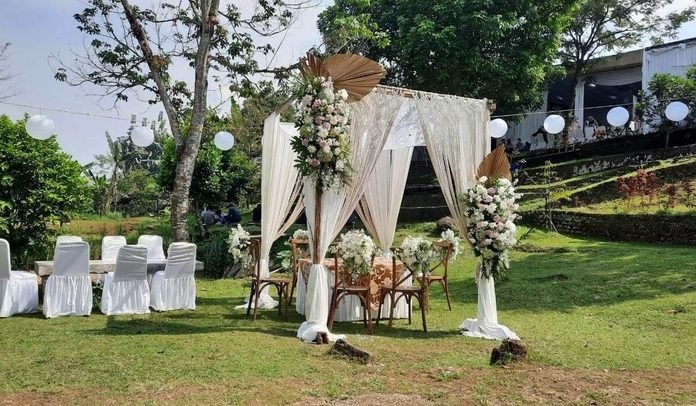
An engagement party theme should give the host a useful direction for food, music, or atmosphere. It should not make guests feel as if they have entered a smaller rehearsal of the wedding.
That means skipping miniature ceremony arches, bridal-party announcements, wedding-color reveals, mock first dances, and décor that will appear again at the reception.
Build the party around something the couple already enjoys: Sunday breakfast, a favorite neighborhood, board games, a season, travel memories, or a style of food.
The 21 themes below are complete enough to guide a party but loose enough to feel social. Each can be scaled for a home, backyard, restaurant room, or rented space without asking the couple to perform.
| If the couple wants | Look for a theme built around | Keep wedding-like details limited |
|---|---|---|
| Conversation | Dinner, brunch, café, supper club, or tasting | No long program, assigned wedding roles, or staged entrance |
| Activity | Games, bowling, records, books, or a hands-on class | Choose one activity and leave room to mingle |
| Relaxed outdoors | Picnic, porch, garden, or backyard cookout | Use practical weather planning before decorative installations |
| Personal storytelling | Neighborhood, travel table, photo night, or favorite restaurant | Share memories without making a full relationship exhibit |
| Stylish atmosphere | Aperitivo, modern cocktail hour, candlelit supper, or color-focused party | Do not reveal the wedding palette or duplicate reception décor |
1. Sunday Supper
Serve one generous main dish, salad, bread, and a familiar dessert at long or family-style tables. Use everyday ceramics, linen napkins, warm lamps, and the couple’s normal dinner playlist.
The theme is hospitality, not wedding formality. It works especially well when the families need time to meet and the couple prefers conversation to games.
2. Neighborhood Favorites
Build the menu from the couple’s real local routine: pizza from one place, pastries from another, coffee from the corner shop, or takeout from their first regular date. Add a small printed map or one-line notes about each choice. Keep it focused on the places they use now rather than creating a full biography wall.
3. Aperitivo Hour
Offer olives, cheese, bread, vegetables, a few easy bites, sparkling water, and a short drink menu in late afternoon. Use citrus, low flowers, striped linens, and relaxed background music. Guests can stand or sit and the party naturally lasts two hours. Make the food generous enough that “light” does not mean hungry.
4. Breakfast for Dinner
Serve waffles, eggs, breakfast sandwiches, fruit, and coffee in the evening. Add pajamas only if the couple genuinely loves a playful dress cue; otherwise keep clothes casual. Warm lighting and late-night diner music make it feel intentional.
This theme is friendly, inexpensive, and clearly separate from traditional wedding events.
5. Backyard Pizza Night
Order from a favorite place or hire a simple mobile oven if the budget allows. Put salads and drinks in self-serve stations, use checkered or solid cloths, and provide enough real seating. Avoid turning each pizza into a custom wedding pun.
The ease of the menu gives hosts time to introduce people and enjoy the party.
6. Coffeehouse Evening
Create a menu of good coffee, decaf, tea, hot chocolate, pastries, and savory bites. Use small café tables, books, lamps, and a quiet playlist. A friend might read one short toast, but skip an open-mic program unless the couple belongs to that world. This suits an alcohol-free gathering and an early ending.
7. Record Listening Party
Ask the couple for ten records or songs that belong to different parts of their life, then let the playlist run without explaining every track. Display a few album covers, provide comfortable seating, and serve simple drinks and snacks.
Keep the volume low enough for people to talk; the music is atmosphere, not a concert.
8. Bookshop After Hours
Host in an independent bookstore that allows private events, a library room with permission, or a home filled with small book stacks. Use bookmarks as place cards only when needed and serve café-style food.
Invite guests to write one favorite life or love book recommendation rather than offering public marriage advice.
9. Game Night for Grown-Ups
Set out two or three easy group games, cards, and a quieter table for conversation. Choose games that welcome late arrivals and mixed ages; avoid intense couple trivia that embarrasses anyone. Serve handheld food and use the couple’s actual favorite game as the centerpiece. Participation stays optional, so nonplayers still enjoy the night.
10. Bowling and Bites
Reserve adjacent lanes, arrange shoes and food in advance, and give guests a clear arrival time. Teams can mix families without making anyone perform emotionally. Skip matching wedding-party shirts and formal scoring. Provide seating for guests who do not bowl and confirm accessibility, noise, and food options before inviting.
11. Park Picnic
Reserve a pavilion or permitted picnic area with restrooms, accessible paths, shade, and a real weather backup. Use blankets only as extra seating; provide tables and chairs for people who need them.
Pack food in practical containers and leave no trace. One bouquet and a few photos are enough decoration.
12. Porch and Lemonade
Use a front porch, covered patio, or veranda for an afternoon open house with lemonade, iced tea, sandwiches, and cake. Rocking chairs, potted plants, and soft music provide the atmosphere. Set a clear two-hour window and have an indoor rain plan. It feels welcoming without looking like a ceremony space.
13. Taco Table
Serve two or three fillings, clearly labeled toppings, rice, beans, and plenty of napkins. A restaurant private room or catered backyard setup can keep service easy. Use produce and colorful linens instead of slogan signs. Confirm how hot food stays safe and avoid a build-your-own line that takes the entire first hour.
14. Dessert and Champagne
Schedule after normal dinner hours and say clearly that the party includes desserts and drinks, not a meal. Offer coffee, tea, sparkling water, and substantial savory bites alongside a few excellent sweets. Use small lamps and low arrangements. The short late-evening format works for a small guest list and modest program.
15. Seasonal Market Brunch
Build a menu around what looks good at the local market—bread, fruit, jam, eggs, herbs, and one cooked dish. Decorate with potted herbs or produce that will be used later. Avoid claiming rustic details that do not fit the home or couple. The focus is fresh food and a slow weekend morning.
16. Travel Table
Choose one trip or region meaningful to the couple and borrow its meal rhythm rather than covering the room with flags and props. Serve a few respectful dishes from a trusted caterer or restaurant, display three travel photos, and play music connected to the place. Keep cultural details accurate and avoid costume instructions.
17. Color Without a Wedding Palette
Pick one joyful color the couple likes and use it in napkins, candles, fruit, and flowers. Tell everyone it is simply the party’s visual thread, not a preview of the wedding. Combine several shades and existing neutral furniture so it feels modern. Do not ask guests to dress in the color unless they enjoy theme dressing.
18. Candlelit Pasta Night
Serve pasta family-style with salad, bread, and one dessert in a home or private dining room. Use venue-approved candlelight or warm flameless lights, simple cloths, and low bowls. Keep the guest list small enough for the food to stay hot and conversation to remain shared. The mood is cozy dinner, not rehearsal dinner.
19. Poolside Afternoon
This works when the couple already enjoys casual pool days and the venue has clear safety rules. Offer shade, towels, seating away from the water, substantial lunch, and nonalcoholic drinks.
Swimming remains optional. Skip floating ring props and staged photos; use color, striped towels, and chilled fruit for a relaxed summer feel.
20. Art Night
Book a small gallery, visit a studio that hosts groups, or set out simple watercolor postcards at home. The couple need not be artists. One optional creative table gives guests a way to interact while the rest of the room stays open for conversation. Protect surfaces and avoid asking guests to make wedding décor as unpaid labor.
21. First-Round-Only Cocktail Party
Celebrate with a short curated menu: one cocktail, one nonalcoholic version, beer or wine, and plenty of water, paired with enough food. The theme is a polished two-hour drink, not an open-ended night. Use a bar or restaurant the couple likes, keep toasts brief, and make transportation information easy.
How to Keep Any Theme From Becoming a Wedding Preview
- Do not reuse the wedding venue look, exact palette, ceremony arch, tablescape, or planned signature details.
- Keep the guest list and formal program smaller than the wedding.
- Avoid first-dance practice, wedding-party reveals, bouquet traditions, and mock ceremony moments.
- Build around the couple’s present life rather than the future wedding aesthetic.
- Let food, music, or one activity carry the theme; guests do not need costumes and homework.
If the theme requires explaining how every detail relates to marriage, it may be working too hard. A good theme simply helps the host make consistent decisions.
How to Choose Among the 21 Themes
First choose the party’s purpose: family introductions, close-friend celebration, activity, meal, or casual open house. Then choose the format the couple already enjoys. Only after those two decisions should you select a visual direction.
A theme is a good fit when it answers practical questions. “Sunday supper” tells you there will be a seated meal, warm lighting, and conversation. “Color without a wedding palette” tells you how to decorate but still needs a food and seating plan.
Pair a mood theme with a complete host format when necessary.
Use a Three-Part Theme Test
| Test | Ask | A good answer sounds like |
|---|---|---|
| Personal | Would the couple choose this on an ordinary free day? | They already love brunch, bowling, records, books, gardens, or this food |
| Practical | Does it work with the venue, season, budget, and guest list? | The activity is accessible, food is manageable, and weather has a backup |
| Distinct | Does it feel separate from the wedding? | It uses a present-day interest rather than the future wedding palette or traditions |
| Social | Can guests still meet and talk? | The theme gives conversation a setting instead of replacing it |
| Finishable | Can the host set up and clear it without hidden labor? | One menu, one visual layer, and one optional activity have owners |
Build the Theme Through Food First
Guests experience food for more time than they look at signs. Let the menu carry the idea: pasta for a candlelit supper, bakery food for coffeehouse evening, picnic boxes in the park, or local takeout for neighborhood favorites.
Then repeat one ingredient, color, or material in the table. Avoid renaming every dish with a wedding pun. Clear food labels and genuine connection are more useful than a menu guests must decode.
Add One Activity, Not a Program
At game night, set out games. At art night, provide a small optional creative table.
At a record party, let music run. The activity should be available without requiring every guest to stop talking and participate at once.
When an activity needs a schedule, place it in the middle after guests have food and before dessert. Keep it short enough that people who opt out still feel part of the gathering.
Tell Guests Only What They Need to Join In
Most themes do not require costumes. Use normal dress language plus practical guidance: “casual outdoor,” “garden party; flat shoes,” or “comfortable clothes for bowling.” If the couple loves dress-up, make it optional and show examples.
The invitation should state the real party format before the theme name. “Join us for dinner and a record-listening night” is clearer than “For the Record: A Love Celebration.”
Keep the Theme From Multiplying the Budget
Choose what the venue already supports. A bookstore needs little book décor; a garden needs few flowers; a restaurant already supplies tables and service.
Spend on the food, access, seating, light, and sound that guests feel.
Custom cups, napkins, favor tags, backdrops, menus, games, and outfits are separate purchases even when the design looks unified. Select one personalized piece at most, then rent, borrow, print simply, or use what the location gives you.
Theme Ideas That Often Become Too Wedding-Like
“She said yes,” “future Mr. and Mrs.,” “bride to be,” ring-everything, all-white dinners, and mini ceremony setups can make the engagement party center only one partner or preview formal wedding symbols. They can also exclude couples whose language and roles differ.
If the couple loves one of these ideas, use it consciously and inclusively. Otherwise, names, food, and actual interests give the event a richer identity.
Three Complete Theme Plans
For a quiet couple
Choose coffeehouse evening for twenty guests. Serve coffee, tea, a savory pastry dinner, and cake. Use café tables, lamps, and a low playlist. Plan one three-minute toast and no games. End after two hours.
For two families meeting
Choose Sunday supper. Seat guests at mixed family-style tables, serve familiar food, and ask two hosts to make introductions. Display five relationship photos and use one short welcome. Keep music low and the meal central.
For an active friend group
Reserve bowling lanes with food and a non-bowling seating area. Guests arrive for drinks, bowl in loose teams, gather for a short toast, then eat cake. Skip extra décor because the venue and activity already carry the energy.
Know When Not to Use a Theme
If the couple has no strong preference, the venue is visually complete, time is short, or family expectations are already complicated, use a format instead: “brunch,” “backyard dinner,” or “cocktails and bites.” A format gives all the planning direction you need.
The absence of a theme does not make a party generic. The guest list, food, music, and couple’s presence provide identity naturally.
Mixing Two Themes Without Creating Visual Clutter
Combine one format with one mood: backyard pizza under warm lights, coffeehouse game night, garden aperitivo, or bookstore brunch. One determines how people eat and move; the other shapes the atmosphere.
Do not combine three competing activities and several cuisines under the idea of personalization.
If guests need a paragraph to understand the concept, remove a layer.
Make the Theme Inclusive
Check whether the activity, seating, food, sound, lighting, dress cue, and location work for the actual guests. A theme built around alcohol, stairs, intense competition, or swimming may exclude people unless alternatives are complete and welcoming.
“Optional” only feels optional when nonparticipants have somewhere equally good to sit, eat, and connect. Plan that area intentionally.
Theme the Invitation Lightly
Use one visual cue or opening line, then state the event plainly. “Join us for a Sunday supper celebrating…” is clearer than a page of slogans. Guests should understand food, dress, activity, and timing without interpreting design.
Do not let a theme hide household or RSVP information. The host still needs exact names and a deadline.
Save the Couple’s Best Ideas for the Wedding if They Want To
If the party plan begins to use the exact florist, signature drink, custom crest, reception playlist, tablescape, or venue look chosen for the wedding, pause. Ask whether the couple wants that surprise and investment protected.
The engagement party can go in a different direction or use a stripped-back version of a shared interest. Distinction lets both events feel fresh.
Frequently Asked Questions
Does an engagement party need a theme?
No. Brunch, dinner, backyard drinks, or a restaurant gathering is enough direction. Use a theme only when it makes decisions easier or reflects an interest the couple genuinely shares.
Should the theme match the wedding?
Usually it is more interesting when it does not. The engagement party can use a different color, season, food style, and atmosphere so the wedding details remain fresh.
Can guests be asked to dress for the theme?
Yes when the request is easy, optional, and natural for the couple. Give practical examples and never make a costume necessary for belonging. Venue and weather guidance come first.
How many themed details are enough?
One menu idea, one visual thread, and perhaps one optional activity can make a complete theme. Repeating the couple’s names and puns on every object rarely adds meaning.
What theme works for mixed ages?
A meal-based theme such as Sunday supper, brunch, pizza night, or neighborhood favorites usually works well. Provide comfortable seating and let any activity remain optional.
How do you make a common theme personal?
Use the couple’s actual restaurant, playlist, books, game, family recipe, garden, or neighborhood. Specific lived details feel more personal than custom signs describing a generic love story.
Ask Whether the Theme Still Works Without Decor
Imagine removing the custom signs, backdrop, balloons, and favors. If the food, setting, music, and activity still communicate the idea, the theme is strong. If nothing remains, the plan may be a shopping list rather than an experience.
Strengthen the menu or format before adding objects. Guests participate in a supper, game night, picnic, or tasting; they mostly walk past themed merchandise.
Give the Theme an Ending
A pastry from brunch, final record, last bowling frame, dessert course, or sunset can naturally close the concept. Use that moment for the host’s thanks and goodbyes.
Do not add a themed favor solely to prove the idea continued to the door. A clean finish and safe trip home are more useful.
Name the Theme Only if the Name Helps
Guests do not need to hear “Mediterranean modern garden aperitivo.” They need to know there will be afternoon drinks, generous bites, outdoor seating, and a casual dress level. Keep the working concept for planners and translate it into ordinary language for everyone else.
Simple language also keeps the party welcoming.
Final Thoughts
Choose a theme that makes the party easier to plan and more recognizable to the couple. Food, music, and one visual idea are usually enough.
The engagement party deserves its own personality. Let it celebrate who the couple is right now, before the wedding becomes the subject of every room.