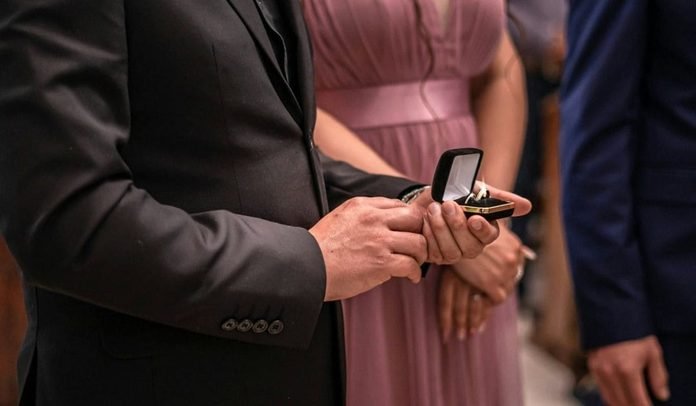
Choosing proposal clothes is awkward when only one person knows photographs may happen. You want both people to feel good, but a sudden command to wear a specific color and get a manicure can reveal the entire plan.
The easiest solution is not matching outfits. It is creating a believable reason for the day to be slightly more polished than usual, then choosing your own clothes around what your partner would naturally wear.
Comfort, weather, movement, and the personality of the date matter more than a perfect palette.
This guide covers both sides: what the proposer should wear, how to gently guide the unsuspecting partner, and what to do when they choose something completely different from the outfit you imagined.
| Proposal setting | Believable dress cue | Useful outfit direction |
|---|---|---|
| Nice dinner | “I made a reservation, so let’s dress up a little.” | Smart separates, a dress or jumpsuit, polished shoes, and a layer for the walk |
| Casual outdoor date | “Let’s take a few pictures while we’re there.” | Comfortable textures, simple colors, practical shoes, and weather protection |
| Brunch | “It’s a cute place—I’m wearing something nicer than gym clothes.” | Relaxed dress, blouse and pants, knit polo, overshirt, or clean casual set |
| Family event | Use the real gathering as the reason | Clothes appropriate for the event, without adding a suspicious second dress code |
| Vacation | Mention the restaurant, tour, or planned photos honestly | Packable layers, shoes for the route, and clothes that recover from travel |
| At home | Do not manufacture formality unless it fits your relationship | Clean, favorite clothes; comfortable pieces; one intentional upgrade |
Start With How You Normally Dress Together
Think about the most recent date that felt special. Were you both in jeans and sweaters, dressed for dinner, or wearing hiking layers? That baseline is more useful than a social-media proposal photo.
If your partner loves casual clothes, making them dress formally for a mysterious errand will feel suspicious and may make them uncomfortable before the question.
Aim one level above ordinary, not five levels above. A familiar silhouette in a nicer fabric, a favorite shirt freshly pressed, or the dress they already reach for at celebrations can photograph beautifully because the person still feels like themselves.
Give a Real Reason, Not a Fake Fashion Emergency
Build the proposal into a genuine plan that supports the clothing: dinner, theater tickets, a family photo, a rooftop drink, or a weekend activity where nice clothes make sense. You can keep the question secret without making the whole date fictional.
Avoid sudden criticism such as “You cannot wear that” or “Please change your shoes.” Even if your partner does not guess, they may enter the proposal feeling self-conscious. Offer useful information instead: “We’ll walk on grass,” “The patio may be cold,” or “The restaurant is a little dressy.” Then let them choose.
The Proposer Should Dress First
Your own outfit can set the tone without a speech.
If you usually dress casually but appear in formal clothes, your partner will notice. Choose something consistent with the cover plan and put it on early enough that your partner naturally calibrates their choice.
Do not ask them to dress up while you remain vague about yourself. A simple line works: “I’m wearing the navy jacket and nicer shoes, just so you know.” This is guidance, not a costume assignment.
Choose Color Harmony, Not Matching
Two people do not need to wear beige, white, or complementary colors for the pictures to look cohesive.
Start by avoiding direct conflict with the setting: bright green against dense foliage may disappear, while tiny high-contrast checks can look busy in close photographs.
Choose your outfit in a neutral, deep, or softly colored tone that can sit beside many possibilities. Navy, charcoal, cream, olive, camel, denim, burgundy, and muted blue are flexible, but the best color is still one the wearer likes.
Do not buy your partner a surprise outfit unless clothing gifts are normal and you know the fit.
Prioritize Clothes That Stay Comfortable Through the Route
A proposal outfit is worn before, during, and after the question.
Check sitting, walking, stairs, weather, and the possibility of a few portraits. Clothes that twist, pinch, ride up, or require constant adjustment pull attention away at the worst time.
Try your own outfit in full, including underlayers and shoes.
Sit in the car, reach for the ring, and practice kneeling or standing. A jacket that will not close over a ring box or pants that tighten sharply when you bend need a different plan.
Shoes Must Match the Ground
Tell your partner the real walking conditions. Cobblestones, sand, wet grass, a trail, or a long walk from parking can turn beautiful shoes into pain. If the date includes a dressy destination after an outdoor proposal, bring a shoe change for both people.
Do not hide practical information to protect the surprise. “Wear shoes you can walk ten minutes in” gives away very little. If the photographer has planned a precise standing mark, confirm that the surface is stable and accessible for both people.
Plan the Layer Before the Weather Makes the Decision
A cold partner will keep a coat buttoned; a hot partner will remove layers immediately. Build the photograph around the likely outfit rather than expecting someone to suffer for a cleaner frame.
Choose a coat, cardigan, blazer, or wrap that belongs with the look. Empty bulky pockets and remove visible dry-cleaning stitches. For wind, avoid unsecured scarves and extremely light skirts unless the wearer already knows how they behave. For rain, use a sturdy neutral umbrella and a backup space where clothing can dry.
The Ring Box Changes the Proposer’s Outfit
A traditional square box can create a visible outline in fitted trousers, a dress, or a light jacket. Test the exact box in the exact pocket while sitting and walking. Use a secure inner pocket or a reputable slim box made for rings; never leave the ring loose.
Do not hide it in a sock if it may fall, inside food, or in a bag your partner might open. If your outfit has no safe pocket, ask a trusted helper to hand it over privately shortly before the proposal or use a discreet zipped pouch that remains on your body.
If You Want a Manicure, Suggest It Gently and Early
Some people care about fresh nails in ring photographs; many do not. Do not make a manicure feel like a condition for being proposed to. You can arrange a normal self-care outing with a friend, suggest going together, or give a general reason connected to the week.
If your partner declines, let it go. The photographer can capture faces, hands together, and the ring without forcing a close-up immediately. A manicure can happen later before an engagement session.
Hair and Makeup Should Not Become a Trap
If your partner enjoys getting ready, choose a plan that gives them enough time. If they rarely wear makeup or style their hair, suddenly arranging a salon appointment may feel unlike them and reveal the surprise.
Weather matters more than perfection. Humidity, rain, wind, and hats change hair. Bring a small practical kit—comb, tissues, blotting paper, lip balm, and a few pins—then offer it after the proposal. Do not interrupt the walk to correct their appearance before the question.
At-Home Proposals Do Not Require Formal Clothes
Home is meaningful partly because people can be relaxed there. A clean favorite sweater, matching lounge set, simple dress, or shirt worn for ordinary dates may feel far more honest than surprise cocktail attire in the living room.
If photographs matter, clear visual clutter and improve the lighting rather than trying to transform both people. Suggest dinner at home with a small dress-up rule only if playful theme nights are already part of the relationship. Pajamas can be perfect when the plan is a cozy morning proposal.
Outdoor Proposals Need a Photo Plan That Accepts Reality
Trails, beaches, gardens, and overlooks involve sweat, wind, dust, and changing temperatures. Choose breathable or warm layers, secure pockets, and shoes suited to the actual route. Avoid asking your partner to hike in an outfit selected only for the final frame.
The photographer can use movement, landscape, and emotion instead of expecting every fabric fold to stay controlled. Pack a second shirt or small freshening kit for portraits afterward if the activity is strenuous.
A Vacation Proposal Needs Wrinkle and Luggage Thinking
Travel outfits may be repeated, delayed, or packed in checked baggage. Keep the proposer’s clothing and the ring in personal luggage. Choose pieces that can be steamed in a bathroom or pressed at the hotel, and confirm access to an iron before proposal day.
Give your partner a truthful packing cue: one nicer dinner, a cool evening, walking shoes, or a planned photo spot. Do not pack for them unless that is already normal. A proposal early in the trip reduces the number of days you must keep steering outfit choices.
What if Your Partner Picks the Outfit You Hoped They Would Not?
Let them wear it. Unless the clothes are unsafe for the weather, venue, or route, correcting the choice can create more harm than an imperfect color combination. The photograph will be valuable because it shows a real moment, not because every tone matches.
If there is a practical problem, give the relevant fact and offer an option: “The restaurant has a dress code,” or “The grass is wet; want to bring other shoes?” Avoid making appearance the problem. After the proposal, you can take additional portraits in another outfit on another day.
If Both People Know a Proposal Is Coming Soon
A proposal can still be emotionally surprising even when the couple has discussed a clothing plan.
Some partners create a small selection of outfits, schedule a manicure, or agree on a general week while leaving the exact moment private.
This collaborative approach is especially useful for people with sensory needs, cultural clothing, mobility considerations, or strong preferences about photographs. Surprise is not more romantic than comfort.
The question should never require one partner to conceal information the other person needs to feel prepared.
A Small Proposal-Day Clothing Kit
- Weather-appropriate layer or compact umbrella
- Comfortable shoe option for the walk
- Tissues and a clean handkerchief
- Lint roller and a small stain-removal wipe
- Comb, hair pins, lip balm, and blotting paper if wanted
- Water and a simple snack
- A secure place for phones, keys, and the ring box
Keep the kit with a helper, in the car, or in a bag that fits the cover plan. Do not carry so much equipment that your partner wonders why an ordinary date needs emergency luggage.
Send the Photographer Flexible Information
Give the photographer current photos of both people and describe likely clothing, including coats and bags.
If your partner changes, send one quiet update through the agreed contact only if it can be done naturally.
The photographer should recognize faces, height, hair, route, and timing—not depend on “the person in a white dress.” This matters in crowded locations where several people may fit the clothing description.
Six Complete Outfit Plans That Do Not Require Matching
| Plan | Proposer | Unsuspecting partner cue | Practical backup |
|---|---|---|---|
| Restaurant and short city walk | Jacket, knit or blouse, tailored pants or dress, polished walking shoes | “The reservation is nice, and we will walk a few blocks.” | Comfortable shoe change and weather layer |
| Garden or park | Textured shirt or sweater, simple pants or dress, flat stable shoes | “Wear something you like for photos and shoes for grass.” | Umbrella, wrap, and indoor café plan |
| Beach | Breathable layers, secure pockets, shoes easy to remove | “It may be windy and cooler near the water.” | Solid boardwalk or restaurant position |
| At home | Favorite clean outfit with one polished detail | No special cue unless dressing up at home is normal | Portrait outfit available for another day |
| Vacation | Packable dinner look kept in personal luggage | “Bring one nice outfit and comfortable shoes for our reservation.” | Steam plan and second proposal day |
| Cold-weather outdoors | Coordinated coat, warm base layers, gloves with ring access | “We will be outside for a little while.” | Heated indoor spot and dry footwear |
These are directions, not uniforms. The couple can look connected through similar formality, season, and texture even when the colors are unrelated.
Plan Around Sensory and Mobility Needs
Seams, tight waistbands, stiff collars, high heels, heat, cold, and unfamiliar fabrics can affect whether someone feels safe and present. If your partner has sensory preferences, do not introduce a surprise outfit or pressure them to tolerate discomfort for photographs.
Mobility devices, braces, compression garments, orthotics, and practical footwear are part of the person, not problems to hide. Tell the photographer what movements and surfaces are comfortable.
Choose a route and standing position that allow the couple to face each other without physical strain.
Respect Cultural and Religious Clothing
If the proposal is connected to a family gathering, holiday, place of worship, or cultural tradition, the dress guidance should respect that context. Do not borrow ceremonial clothing as a photo theme or ask a partner to change a meaningful garment for a cleaner palette.
When family dress expectations and the couple’s style differ, discuss the event honestly enough that the unsuspecting partner can choose appropriately. The surprise should be the question, not discovering they were deliberately underdressed for a room full of relatives.
Check Transparency, Flash, and Fine Patterns
Bright sun and camera flash can make light fabrics more transparent than they appear indoors.
Test your own outfit in daylight and with a phone flash, including underlayers. Very small checks, stripes, and high-contrast patterns can create visual interference on camera, but that is a secondary concern to comfort and personal style.
Remove tags, temporary stitching, visible lint, and forgotten stickers.
Empty pockets that create bulky shapes. These quiet checks are useful; asking the unsuspecting partner to pass a last-minute inspection is not.
Make Grooming an Invitation, Not a Warning
If the proposer schedules a haircut, facial, manicure, or new outfit at an unusual time, the pattern itself may reveal the plan. Complete personal grooming early enough to look normal, or connect it to a real event.
Invite the partner into something they already enjoy: “Want to get our nails done before the weekend?” or “Let’s both get haircuts before the family dinner.” If they say no, accept it immediately.
A partner should never look at the engagement pictures and remember being criticized into preparation.
Know What the Photographer Can Fix—and What They Should Not
A photographer can adjust position, choose flattering light, simplify the background, and guide relaxed portraits afterward. Editing can usually handle a small lint spot or temporary distraction. It should not be expected to redesign clothes, change bodies, replace shoes, or turn a real person into a styled concept.
Tell the photographer that authenticity matters. Ask them to capture faces and connection first. If a coat stays on or hair moves in wind, the image can still be beautiful because it belongs to the actual day.
A Low-Suspicion Conversation About Clothes
“I booked something nice for Saturday. I’m wearing the blue jacket and decent shoes, and there may be a short walk outside. Wear whatever makes you feel good at that level, and bring a layer.”
This gives formality, weather, and movement information without assigning color, hairstyle, nails, or a specific outfit. It also shows the proposer following the same guidance.
The Night-Before Outfit Check for the Person Who Knows
- Try the complete outfit while sitting, walking, reaching, and kneeling if relevant.
- Confirm the ring box is secure and does not create an obvious outline.
- Check weather, underlayers, coat, umbrella, and backup shoes.
- Steam or press clothing and remove lint, tags, and temporary stitches.
- Place keys, wallet, and phone somewhere that will not compete with the ring pocket.
- Pack tissues, water, and a small freshening kit out of sight.
- Send the photographer the likely clothing description, with a reminder that it may change.
When the Cover Plan Is a Photo Session
A planned couple session gives both people a reason to coordinate clothes, arrive at good light, and follow a photographer’s position. It is a kind choice for someone who values preparation more than complete surprise.
Tell the photographer which partner knows and whether the question happens early or after everyone settles.
The tradeoff is obvious: your partner may suspect a proposal. Do not compensate with unnecessary deception. The emotion can still be surprising even when the general possibility is not.
Let the Engagement Session Solve What Proposal Clothes Cannot
If the proposal day involves work clothes, hiking gear, rainwear, pajamas, or a partner who chose comfort over photographs, enjoy it. Book a short engagement session later if both people want styled images.
This separates two different goals: documenting the real question and creating portraits for announcements or keepsakes. Neither set of images has to do both jobs perfectly.
Frequently Asked Questions
Should the unsuspecting partner be told a photographer will be there?
Not necessarily when candid coverage is welcome, but the proposer should be confident that the partner would not feel violated by hidden photography. If privacy is uncertain, keep the question unrecorded and plan a mutually agreed portrait session afterward.
What if the partner hates the way they look in the proposal photos?
Give them control over sharing and selection. The photographer can deliver private images, and the couple can choose a later portrait for announcements. The emotional record does not have to become public simply because it exists.
Final Thoughts
The right proposal outfit helps each person move, breathe, and remain present. Create a believable reason for the level of dress, share practical details about the setting, and let your partner keep ownership of what they wear.
If the two outfits are not perfectly coordinated, nothing important has gone wrong. The photograph people keep is usually the one where they recognize themselves and the emotion, not the one where every color was planned.