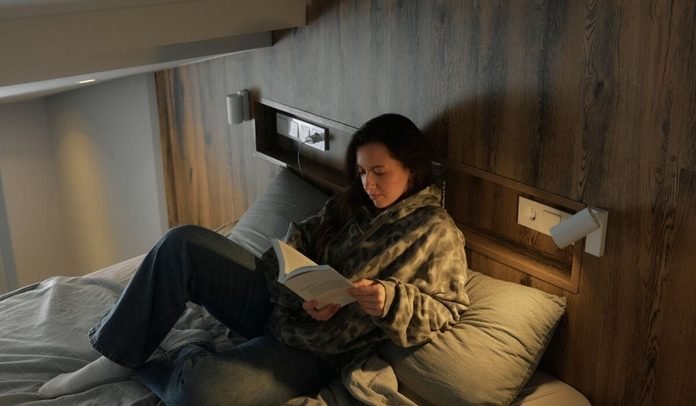
Wanting time alone does not mean wanting less marriage.
Some people recover from work, noise, social contact, or strong emotions by becoming quiet and unobserved for a while. Others recover through conversation and closeness. When those needs meet at the front door, both spouses can feel rejected.
The spouse who needs space may feel crowded or guilty. The spouse who wants connection may feel as though love is being withdrawn. Neither feeling makes either person needy, cold, or difficult.
The solution is not for one person to stop needing what they need. It is to make alone time clear, fair, and connected to a dependable return.
Start by Changing the Meaning of Alone Time
Alone time can support a relationship when it helps someone regulate, think, rest, create, or return with more attention. Autonomy and closeness do not have to compete. A person can be deeply committed and still need parts of life that feel private and self-directed.
Problems begin when space is treated as punishment, disappearance, or a way to avoid every hard subject.
Healthy alone time sounds like, “I need 45 minutes to decompress, then I want to have dinner with you.” It has an explanation and a return.
Unhealthy withdrawal may sound like silence with no end, refusing to say whether you are safe, ignoring necessary care, or using distance to make a spouse anxious enough to give up a concern. The behavior, not the fact of being alone, determines whether the pattern is caring.
Talk When Nobody Is Already Chasing or Escaping
Do not try to negotiate space while one spouse is closing a door and the other is demanding an answer. Choose a calm time and describe what happens.
The spouse who needs more solitude can say:
“When I come home, my brain is still full from the day. I need quiet before I can talk well. It is not because I do not want you. Could I have 30 minutes alone, then come find you?”
The spouse who wants more contact can say:
“When you go silent as soon as you arrive, I do not know whether you are upset with me. A hello and a clear time to reconnect would help me give you space without feeling shut out.”
Both statements explain the emotional effect and ask for behavior. Neither labels the other person’s character.
Define What “Alone” Actually Means
One spouse may mean no conversation. Another may need a closed door and no interruptions. Someone else feels restored while reading beside their partner, even without speaking.
Clarify:
- Does alone time require a separate room?
- Can the other person ask a practical question?
- Are texts welcome?
- How long usually helps?
- What would count as an emergency interruption?
- How will you signal that the time has ended?
A vague “leave me alone” is hard to respect because the other person does not know the boundary. A clear request is easier: “I’m going to read in the bedroom until seven. Please interrupt only if something cannot wait.”
Create a Transition Ritual After Work
Many conflicts are really about transition. One spouse has been alone and is ready to connect. The other has been around people all day and needs to come down.
Build a short landing:
- Greet each other with affection that feels natural.
- Share urgent information only.
- Take the agreed quiet period.
- Reconnect at a specific time.
The greeting matters. “I’m glad to see you. I need half an hour, then I want to hear about your day” protects the bond before creating distance.
The return matters just as much. If the quiet spouse repeatedly extends 30 minutes into the whole evening, trust in the agreement will disappear.
Make Space Visible in a Small Home
Not every couple has a spare room. You can still create psychological space through time, sound, and signals.
Use headphones, a particular chair, a walk, a bath, a balcony, a library visit, or one person’s turn to have the main room alone. A closed bedroom door can mean “quiet until seven,” not “our relationship is in danger.”
Take turns leaving the home when that is safe and practical. The spouse who needs solitude should not always claim the most comfortable room while the other person wanders around trying not to disturb them.
In a studio apartment, even parallel time can help. Agree to 40 minutes when both people do their own activity without conversation, then reconnect.
Give the More Social Spouse a Real Plan Too
The answer is not for one spouse to wait quietly until the other is available. The partner who wants more connection also needs friendships, interests, and dependable shared time.
Use the quiet window for something that genuinely belongs to you: call a friend, exercise, cook with music, work on a hobby, or enjoy the main room on your own turn. Do not sit outside the closed door watching the clock.
Still, independence should not become a way of denying a reasonable need for closeness. If the couple never talks, shares affection, or spends enjoyable time together, telling the lonely spouse to “get a hobby” avoids the relationship problem.
Keep Alone Time Fair
Solitude is easier to take when another adult absorbs dinner, children, pets, deliveries, and household tasks. That is not really uninterrupted time created from nowhere. Someone else is funding it with labor.
Ask whether both people receive protected personal time and whether the household still functions.
If one spouse takes an hour after work, they might handle bedtime later or protect an equal block for the other person on another day.
Fair does not mean matching minute for minute. A spouse with sensory overload may need more quiet, while another needs more social time or exercise. Both should have meaningful access to recovery.
Do Not Force Conversation During the Quiet Window
Once you agree on space, respect it. Save nonurgent questions. Put an item on a shared list. Do not enter repeatedly to ask whether the person is still upset.
At the same time, the person taking space should not create unnecessary uncertainty. If plans change, say so. If you are too upset to return at the agreed time, send a clear message: “I need 20 more minutes. I will come out at 7:20, and I still want to talk.”
Space works when both people can trust the boundary.
Separate Decompression From Conflict Pauses
Routine alone time after work is different from stepping away during an argument. A conflict pause needs extra reassurance because the relationship is already activated.
Say, “I am too worked up to speak kindly. I need 30 minutes. I am not leaving this unresolved, and I will come back at eight.”
Use the break to regulate, not prepare a stronger attack. Walk, breathe, drink water, or write the one point you need to express. Do not post about the argument, recruit family members, or send hostile messages from another room.
When you return, begin with the smallest version of the issue. If either person still cannot talk safely, choose another time or seek appropriate support.
Watch for the Pursue-and-Withdraw Cycle
One spouse feels distance and moves closer with questions, touch, or repeated attempts to talk. The other feels pressure and moves farther away. Each person’s protection creates the other person’s fear.
Name the cycle without choosing a villain: “When I get quiet, you try harder to reach me. I feel crowded and pull away. Then you feel even more rejected.”
Interrupt it earlier. The quiet spouse offers reassurance and a return time before disappearing. The connecting spouse accepts the first clear request instead of testing whether it is sincere.
If the cycle is intense or longstanding, a qualified couples counselor can help both people understand the fear underneath the behavior.
Do Not Make Mind-Reading Part of the Agreement
The spouse who needs space should ask for it. Sighing, becoming cold, or hoping the other person notices creates confusion. The other spouse should not have to guess whether silence means fatigue, anger, or rejection.
The spouse who needs connection should ask for that too: “Could we sit together for ten minutes before you take quiet time?” Direct requests are kinder than testing love through hints.
You may create a simple phrase such as “I need a reset” that both people understand. The phrase should never end the conversation forever; it starts the agreed process.
Make Reconnection Deliberate
After alone time, do something small that tells the relationship, “I am back.” It could be a hug, making tea, asking about the day, sharing dinner, or sitting together for five minutes.
Do not demand an instant deep conversation if the whole point was to recover. Reconnection can be light. The important thing is that it happens reliably.
Ask whether the amount of space worked: “Do you feel more settled?” and “Did you feel left alone with anything?” This lets the agreement improve without turning the evening into another review.
Plan for Weekends and Vacations
Couples sometimes assume that days off should be spent entirely together. For a spouse who restores through solitude, a full weekend of shared plans can feel exhausting. For the other, a partner disappearing on vacation feels painful.
Build both into the plan. You might spend the morning separately and meet for lunch, or protect one quiet hour before an afternoon outing. On trips, one person can rest at the hotel while the other visits a café or attraction.
Discuss this before booking an itinerary. Alone time is easier to accept when it is part of the plan rather than a surprise rejection in the middle of the day.
When Alone Time May Signal Something Else
Pay attention if the need for space suddenly increases, the person stops enjoying everything, sleep or appetite changes sharply, daily responsibilities fall away, or the spouse seems hopeless or persistently low. That may call for a medical or mental health conversation, not only a relationship schedule.
Also take concern seriously when space includes secrecy, unexplained absences, contempt, punishment, financial control, or making the other spouse afraid. Privacy is healthy. A hidden life or intimidating withdrawal is different.
No one is entitled to constant access to a spouse’s thoughts, phone, or body. No one is entitled to use “I need space” to avoid every shared responsibility or concern.
Do Not Let Introvert and Extrovert Labels End the Conversation
Personality language can be helpful, but it can also become a shortcut. An “introvert” may love long conversations with a spouse and still need quiet after work. An “extrovert” may need solo exercise or private thinking time. Stress, sensory load, work, health, and the specific day matter.
A label does not grant one spouse all the solitude or require the other to provide constant social energy. Ask what the person needs in this situation and what would help them return.
Use “I need” language instead of identity rules: “I need quiet after the family visit” is easier to work with than “I’m an introvert, so you should know not to talk to me.”
Plan for Guests and Shared-Family Homes
Alone time is harder when you live with relatives, roommates, adult children, or frequent guests. A spouse may feel responsible for being socially available whenever someone is in the home.
Agree on private areas and visiting hours when possible. A closed bedroom door can mean the couple or individual is unavailable. The spouse whose family is visiting should take the lead in explaining the boundary rather than making their partner appear rude.
If the home offers no privacy, schedule time outside it.
A library, walk, place of worship, gym, or quiet café may provide needed separation. Make sure the solution is safe, affordable, and available to both people, not only the spouse with a car or more spending money.
Keep Affection Separate From Full Conversation
A person may need silence without wanting to lose all physical closeness. Ask whether a hug, hand squeeze, sitting nearby, or affectionate goodbye feels comforting or overwhelming during the transition.
Do not assume touch is always welcome because you are married. Someone who is overstimulated may need their body to be unobserved and untouched for a while. Respecting that boundary can make later closeness easier.
The spouse seeking connection can ask for a small, specific bridge: “Could we hug before you go into the other room?” The person needing space can offer what is genuine rather than agreeing resentfully.
Do Not Let Solitude Become Unequal Household Freedom
Notice who gets to close a door and who remains available for the doorbell, children, pets, dinner, and questions.
If the same spouse is always interruptible, the arrangement will create resentment even when the other person’s need for quiet is real.
Use shifts. One person takes quiet time while the other covers immediate needs, then they exchange or create an equivalent block later. If care demands make equal time impossible, look for another form of rest that genuinely helps the more burdened spouse.
Also share the planning. The person asking for solitude can help prepare dinner, set out pet supplies, or arrange child care before the quiet window. Recovery should not be built on surprise labor for someone else.
Respect Cultural and Family Differences Around Privacy
Some families treat closed doors, separate plans, or quiet meals as signs of conflict. Others expect every person to have private space. Newlyweds may discover that they attach very different meaning to the same behavior.
Explain the history without using it as a final rule: “In my family, going into another room meant someone was angry, so I get anxious.” The other spouse can respond to the fear while still asking for space.
Create your own household meaning. A closed door can mean quiet time, and a specific phrase can mean actual conflict. Clear signals help old family stories stop controlling the present home.
Try a Two-Week Agreement
Choose a simple plan and test it:
- A warm greeting when the first person arrives.
- Thirty minutes of uninterrupted quiet.
- A clear owner for anything that must happen during that time.
- Reconnection at a stated time.
- Protected personal time for the other spouse elsewhere in the week.
After two weeks, ask what worked. Was the quiet long enough? Did the other spouse feel reassured? Did household work become uneven? Change the plan rather than arguing about whether either person should have the need.
Closeness Needs Breathing Room
A strong marriage is not measured by how many hours two people can spend in the same room without separating. It is measured partly by whether both people can be honest about what helps them return as themselves.
Offer space with trust. Ask for connection without shame. Keep your return promises. When alone time has clear edges and shared fairness, it stops looking like distance and starts becoming one of the ways you care for the life you share.