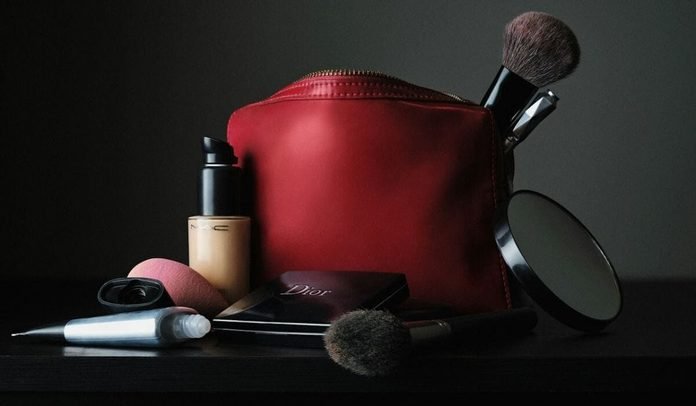
A useful wedding-day emergency bag is not a suitcase filled with every problem the internet can imagine. It is a small, organised kit that fixes the most likely clothing, beauty, comfort, and communication issues without sending someone to a shop.
Pack it several days before the wedding and give it to one person who will stay near the couple. The bride carrying her own emergency bag defeats the point.
Check what the planner, venue, beauty team, and wedding party already bring.
One shared kit is easier to find than six miniature kits containing the same safety pins and no phone charger.
What belongs in the bag—and what does not
| Keep here | Examples | Why |
|---|---|---|
| Emergency bag | Minor clothing fixes, touch-ups, tissues, charger, contact sheet | These items may be needed quickly in several locations |
| Personal bag | Identification, wallet, room key, sentimental jewellery, personal medication | Private or irreplaceable items need named personal custody |
| With the coordinator | Contracts, payments, full timeline, vendor contacts, legal documents where assigned | Operational items belong with the person running the day |
Clothing and accessory fixes
1. A fabric-appropriate stain kit
Pack a stain-removal product recommended for the relevant fabric, a clean white cloth, cotton swabs, and an absorbent towel.
Test products before the wedding and ask the boutique or alterations professional how the garment should be treated. Rubbing an unknown product into delicate fabric can turn a small mark into a larger one.
2. A compact sewing kit with matching thread
Include needles, white or garment-matched thread, black thread, and a small thimble.
Add any spare button or hook supplied with the wedding attire. The kit is for a loose strap, button, or minor seam—not a major alteration that needs a professional.
3. Safety pins in several sizes
Small pins can secure a broken loop; larger ones can hold a lining or temporary hem. Keep them closed inside a small container so nobody reaches blindly into the bag. Use them on the inside where possible and keep them away from delicate visible fabric.
4. Garment-safe fashion tape
Tape can steady a neckline, bra strap, cuff, or small clothing edge.
Check it against the fabric and skin plan before the wedding rather than trying it for the first time while dressed. The alterations or styling professional can advise how the garment is intended to sit.
5. A lint roller
Dark suits, velvet, wool, and getting-ready spaces collect lint quickly.
Choose a compact roller with enough sheets for the wedding party. Roll away from delicate embellishment and keep adhesive away from loose beading.
6. A tiny tools pouch
Small scissors, tweezers, and a nail file can cut a loose thread, remove packaging, or smooth a snagged nail. Keep sharp items closed, place them with a responsible adult, and check venue or travel restrictions before packing.
7. Spare earring backs and simple backup earrings
Earring backs disappear on carpet, and a heavy pair may become uncomfortable.
Pack backs that fit the chosen earrings and one small, comfortable alternative. Store sentimental jewellery separately rather than loose inside the emergency kit.
8. Spare hosiery, socks, and shoe supplies
Pack the clothing item your group is actually wearing: extra tights, stockings, neutral socks, or laces.
Add blister pads and a clean cloth for wiping shoes. If the bride changes footwear, keep that pair in the personal clothing bag and test how the hem falls with both heights.
Hair, makeup, and personal comfort
9. Hair pins, clear elastics, and a small comb
Ask the hairstylist which pins match the finished style and whether any product is useful for touch-ups.
A few correct pins outperform a bag of random accessories. Keep a soft hair tie for later only if removing or changing the style is part of the plan.
10. The actual lip colour and essential makeup touch-ups
Pack the lip product used by the makeup artist, plus any concealer or powder the artist recommends.
Do not carry an entire makeup collection or introduce a new product. Label shared-looking items so they do not disappear into another person’s bag.
11. Blotting papers and a clean powder puff
Blotting before adding product can reduce shine without creating a heavy finish.
Ask the makeup artist what suits the chosen look. Keep the puff clean and separate rather than loose beside sewing supplies.
12. Tissues and cotton swabs
Tissues handle tears, small spills, and makeup blotting; cotton swabs can tidy a small smudge. Choose soft, low-lint tissues and open the package in advance so it does not become a noisy struggle during the ceremony.
13. Deodorant and gentle personal wipes
Pack familiar products the person already uses.
Keep deodorant away from the wedding garment while applying it, and let it dry before dressing.
Avoid strongly scented or unfamiliar products that may compete with fragrance or irritate skin.
14. Dental floss, mints, and a compact mirror
Food can appear in photographs long before anybody politely mentions it. Floss and mints are more useful than chewing gum, which can be forgotten during portraits or speeches. Use the mirror for a quick check before the ceremony and after dinner.
15. A small personal-care pouch
Include adhesive bandages, blister care, menstrual products if relevant, and only personal medication the individual normally carries or has been directed to use. Keep medication in its proper packaging and with the person responsible for it.
Medical questions belong with a qualified professional.
Food, weather, and communication
16. Water and familiar, easy snacks
Pack sealed water and simple snacks that travel well and suit the people using them. Keep food away from attire and confirm dietary needs individually. The emergency bag is a backup; the getting-ready schedule should still include a real breakfast or lunch.
17. A portable charger and the correct cables
Charge the power bank before packing it and test each cable. The key phone may hold the timeline, transport contacts, or digital vows. Place devices in a separate pouch so liquids and stain products cannot leak onto them.
18. A printed contact sheet and short timeline
Include the coordinator, venue, transport, photographer, beauty team, and emergency family contact, plus the main times and addresses.
A paper copy works when a phone dies, loses signal, or is with somebody else. Keep the full vendor production plan with the coordinator.
19. Clear zip bags and labels
Separate liquids, sewing supplies, jewellery backups, and personal-care items. Label the sections so another person can find fashion tape without emptying the entire kit onto a clean bed or floor.
20. Weather-specific protection
Choose for the actual forecast and venue: a compact umbrella, hand fan, warm wrap, heel protectors, sunscreen already used comfortably, or a clean towel for damp ground.
Large guest supplies and structural weather equipment belong with the venue or coordinator, not in this bag.
21. A spare key item chosen for your wedding
Use the final space for the failure that would matter at your event: contact lenses or glasses, cuff links, a bow tie, shirt, veil comb, boutonniere pin, earring, or cultural accessory. This should respond to the clothing and setting you actually have, not a generic list.
How to organise and hand off the bag
Choose a bag that opens widely and can stand upright. Group items into labelled pouches, keep liquids sealed, and place frequently used things on top.
Write the carrier’s name on the bag and tell the coordinator where it will be during getting ready, the ceremony, and the reception.
Review it at the rehearsal or two days before. Remove duplicates, expired products, anything untested, and objects that belong with a vendor.
The best emergency bag is easy to carry, easy to search, and mostly unopened at the end of the night.